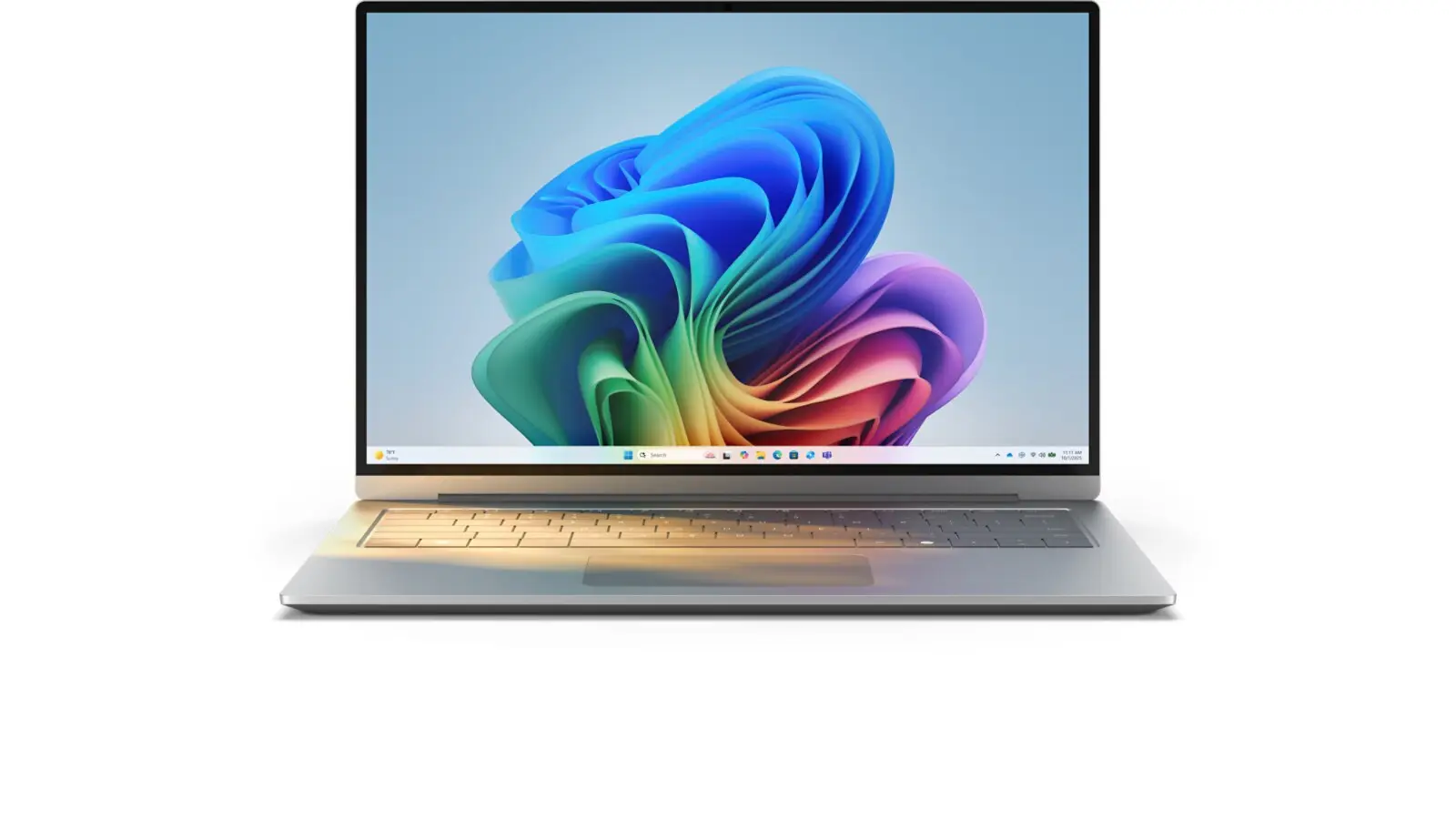
Windows 11 can now keep up to 2GB more of a PC's active data in memory instead of moving it to slower storage, Microsoft says in an October 15 Windows Experience Blog post by Navjot Virk. The company says the work can make an especially meaningful difference on PCs with 8GB of memory.
Which PCs benefit
Microsoft says the extra data kept in memory helps a PC stay responsive as you open more apps or browser tabs. On PCs with 8GB of memory or less, it adds, Widgets now load only when you open them, which makes more than 200 MB of memory available for apps and other work.
Engadget reports the same 8GB focus and the 200 MB figure.
What is rolling out
Microsoft says improvements tested with Windows Insiders "are now beginning to roll out broadly, with more to come." It calls the result up to 20% more responsive, measured by comparing Windows 11 build 26300.9550 with build 26200.7628, and says actual performance varies by device and configuration.
The same post lists faster AirPods pairing, up to 15 seconds quicker by Microsoft's measure, plus more reliable Bluetooth headphones and Windows Hello sign-in. It also lists Windows Update changes that give more control over timing and reduce restarts.
What is still Insider-only
Microsoft says the new Windows Search is available to Windows Insiders today and will roll out more broadly later this year.
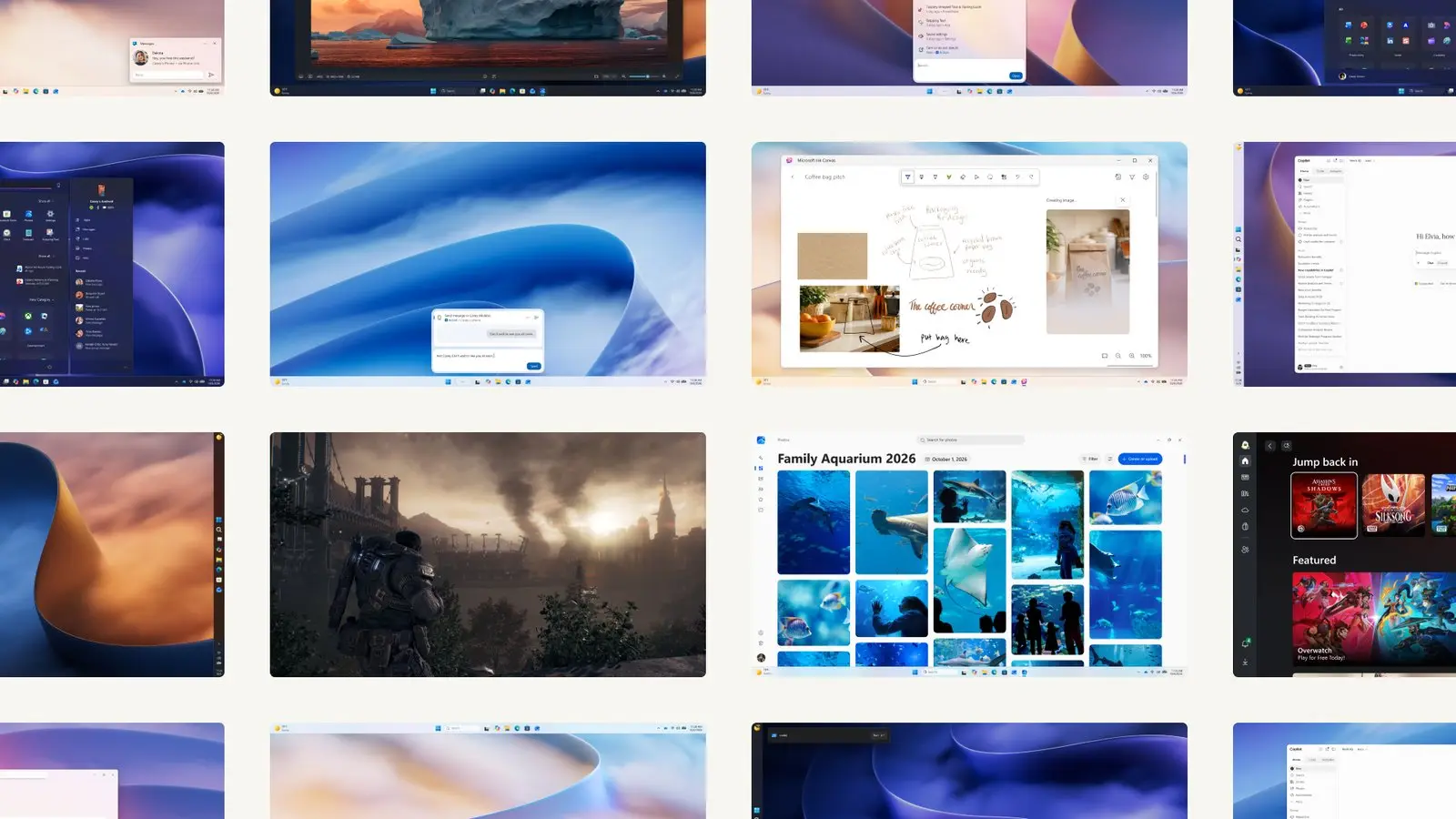
In a separate post, Microsoft says the new Photos app, with a Gallery, Editor and Viewer, is rolling out to Insiders now. It says availability expands to all Windows 11 users later this year, with a rebuilt Editor that loads 25% faster and a Viewer with 15% faster startup on average and up to 30% for HEIC images.
How to get it
As of Oct. 15, Microsoft's post gives no date for the memory changes reaching a given PC and no steps for checking whether a PC has them. It says rollout timing and availability may vary by device and region.
Why it matters
Our assessment: If you own an 8GB PC, this is the group Microsoft singles out for the memory work. If the figures hold on your PC, a software update that frees memory could spare you buying more RAM.
The 20% and 200 MB figures are Microsoft's measured results, and its footnotes say results vary by device. As of Oct. 15, Microsoft's post cites no independent tests.