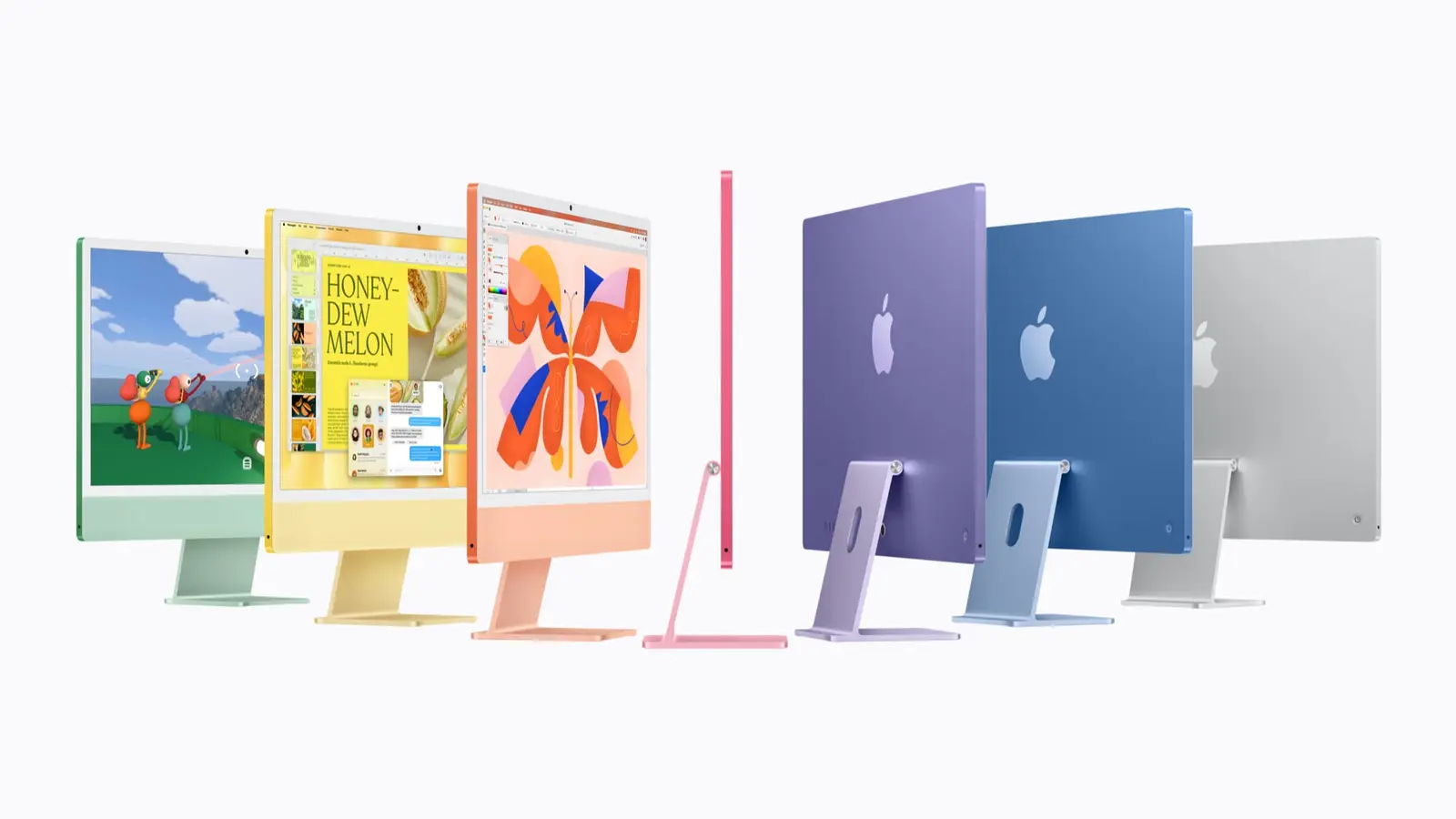
Apple's new iMac for 2026 arrives Nov. 6 from $1,499 in the U.S., replacing the M4 generation with M6, faster graphics, Wi-Fi 7 and Bluetooth 6 while keeping the 24-inch all-in-one design. The Oct. 27 announcement is a performance refresh; choosing between its two configurations also changes the connections and upgrade ceiling you get.
Price and availability
- Base model: $1,499 U.S., unchanged from the outgoing M4 model’s current starting price, with a 10-core CPU and 10-core GPU; $1,449 for eligible education buyers.
- Step-up model: $1,699, with a 12-core CPU and 12-core GPU; $1,599 with education pricing.
- Orders and shipping: pre-orders at 10:10 a.m. PT Oct. 28 in 35 countries and regions; customer deliveries, Apple stores and authorized resellers from Nov. 6.
- Included memory/storage: 16GB unified memory and a 256GB SSD in both configurations.
- Colors: blue, green, pink, yellow, purple, orange and silver.
The $200 difference is more than cores
Apple's specifications show several differences that matter before configuring an order:
- Base: two Thunderbolt 4 ports, optional 2.5Gb Ethernet, a keyboard without Touch ID, up to 24GB memory and up to 1TB storage.
- Step-up: four Thunderbolt 4 ports, included 2.5Gb Ethernet and a Touch ID keyboard, up to 32GB memory and up to 2TB storage. Optional nano-texture glass is available on this model.
- External displays: the base supports one; the step-up supports up to two, including two 6K displays at 60Hz.
The Verge lists the base model’s Ethernet option at $30. Apple’s specifications confirm it is optional on the base and included on the step-up.
Extra memory and storage are configuration options, not included in that $200 increase. Buyers with a dock, wired network or large photo library should compare complete configurations rather than treating the advertised starting price as the cost of the same setup.
What M6 changes against M4
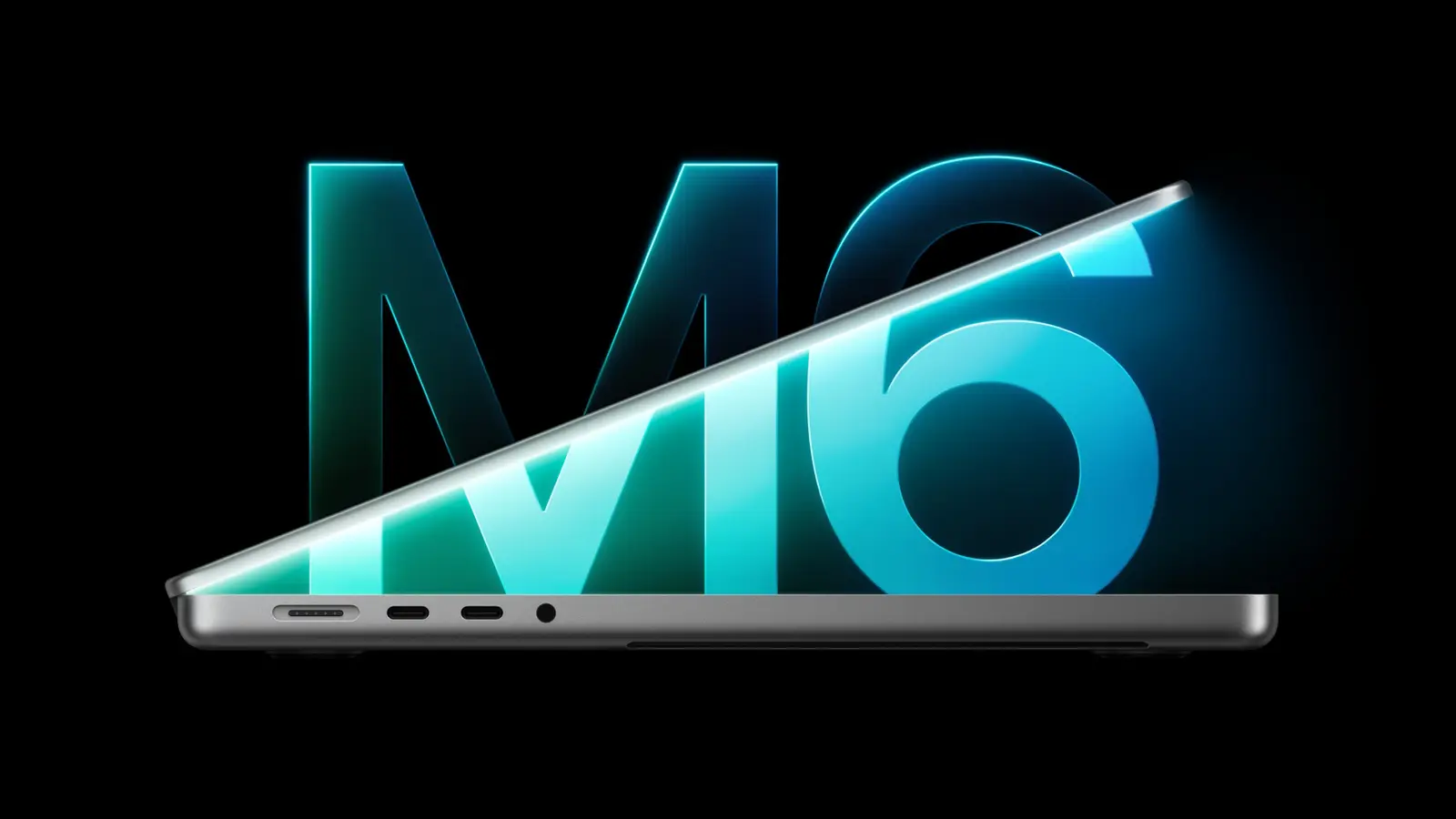
M6 adds a dual 16-core Neural Engine, Neural Accelerators in each GPU core and up to 170GB/s memory bandwidth. The N1 wireless chip brings the connectivity upgrade.
Apple's performance claims vary by workload:
- Productivity: up to 1.5 times faster in Excel.
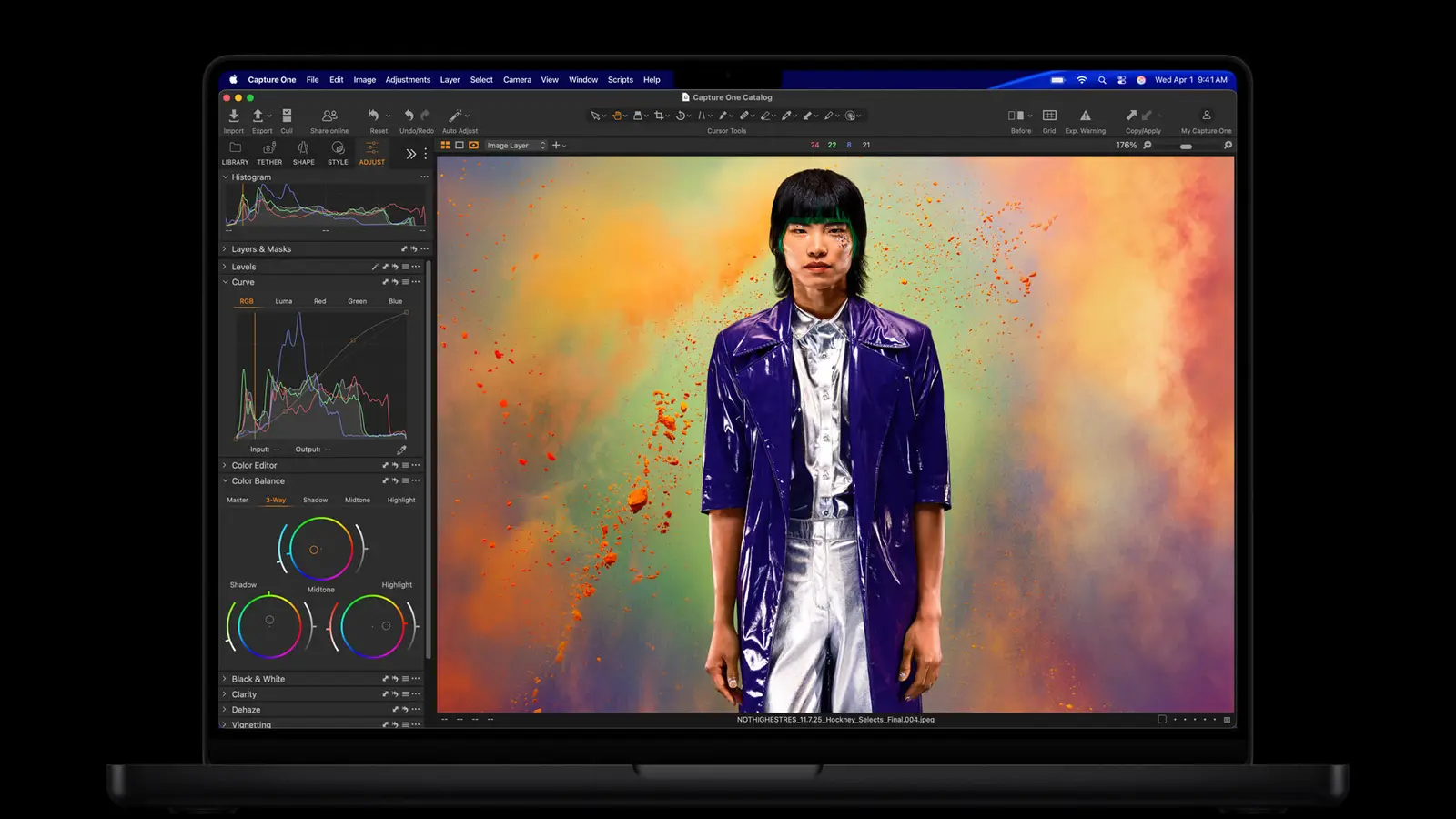
- Graphics: up to twice as fast in Affinity photo editing and ray-traced gaming.
- Local AI: up to five times faster prompt processing in LM Studio.
- Storage: up to twice the SSD read/write performance.
The “up to” figures describe selected tests, not an across-the-board speed increase. A local-model workload can benefit differently from a browser or spreadsheet, and memory capacity still determines which projects fit comfortably.
The retained features include the 24-inch 4.5K display at 500 nits, 12MP Center Stage camera, six-speaker audio and color-matched accessories. M6 does not bring a larger screen or OLED panel.
What this means for you
For an Intel iMac owner replacing the entire computer, the new model offers a current all-in-one without changing the familiar desk setup. An M4 owner whose daily apps already run well has a weaker reason to replace both a working computer and its integrated display. Our computing coverage follows those upgrade choices.
The step-up is worth comparing for its ports and configuration limits before paying for a faster chip alone. If your main constraint is workspace size, this refresh leaves the 24-inch display unchanged; a separate Mac mini and monitor remains the more flexible route to a larger screen.