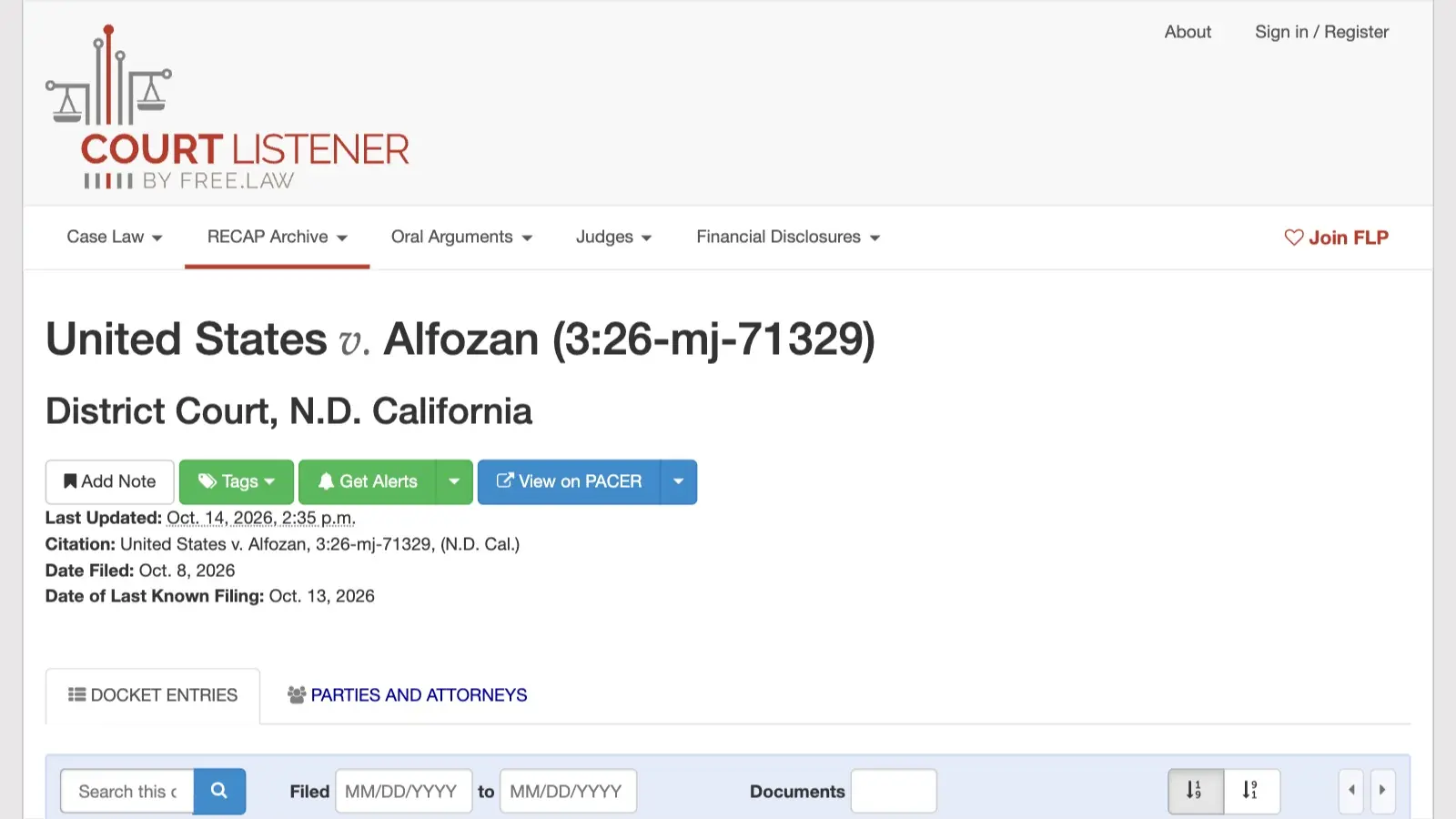
The Justice Department says Abdulrahman Alfozan, 35, a Saudi national and OpenAI engineer, was arrested on Oct. 9 and charged with using a device to intercept oral communications. According to the complaint, he hid a recorder in an executive conference room. He faces up to 5 years in prison if convicted. These are allegations.
What prosecutors allege
According to the DOJ release, OpenAI staff found the device on or about Sept. 30, inserted into a USB port on the back of a television in a San Francisco conference room. The complaint says it was concealed in toilet paper, was installed around Sept. 28, and held encrypted contents.
The DOJ says CCTV footage placed Alfozan near the room on several dates, though he had no authority to attend meetings there. It also cites productivity-tool queries about meeting rooms and calendars, and chatbot prompts about building a recorder from an account associated with his spouse.
The complaint further alleges that on Oct. 5 he entered the room and appeared to look behind the TV, and that a similar second device was found in his unattended bag. In the release, Director of National Intelligence Jay Clayton called the global AI race "a national security prerogative."
Flight and sealing
Gizmodo, citing Bloomberg, reports that prosecutors asked a judge on Oct. 8 to seal the case. They wrote that Alfozan, his wife and a third family member had booked one-way tickets from San Francisco to Saudi Arabia via Istanbul for Oct. 12. Gizmodo says the judge granted the request and that it is unclear when the tickets were bought.
OpenAI's response
CNBC reported, citing a company post, that OpenAI fired the employee. The post says "we have no indications of this individual inappropriately accessing or exfiltrating model weights, source code, or customer data." CNBC says Raed Ventures, where Alfozan is listed as a partner, did not immediately respond to a request for comment.
Why it matters
This section is our opinion.
Our assessment: the alleged device was a recorder plugged into a meeting-room TV, not a software exploit. The DOJ says meetings in that room frequently covered proprietary research and product plans, so at AI labs physical access may matter as much as network security. That is our reading, not a finding by OpenAI or the DOJ.
Anyone who runs office AV can take a few steps from this:
- Disable or physically block unused USB ports on meeting-room displays.
- Inspect the back of displays, under tables and in cable runs on a schedule.
- Treat room displays and conferencing gear as endpoints: inventory them and review who can reach them.
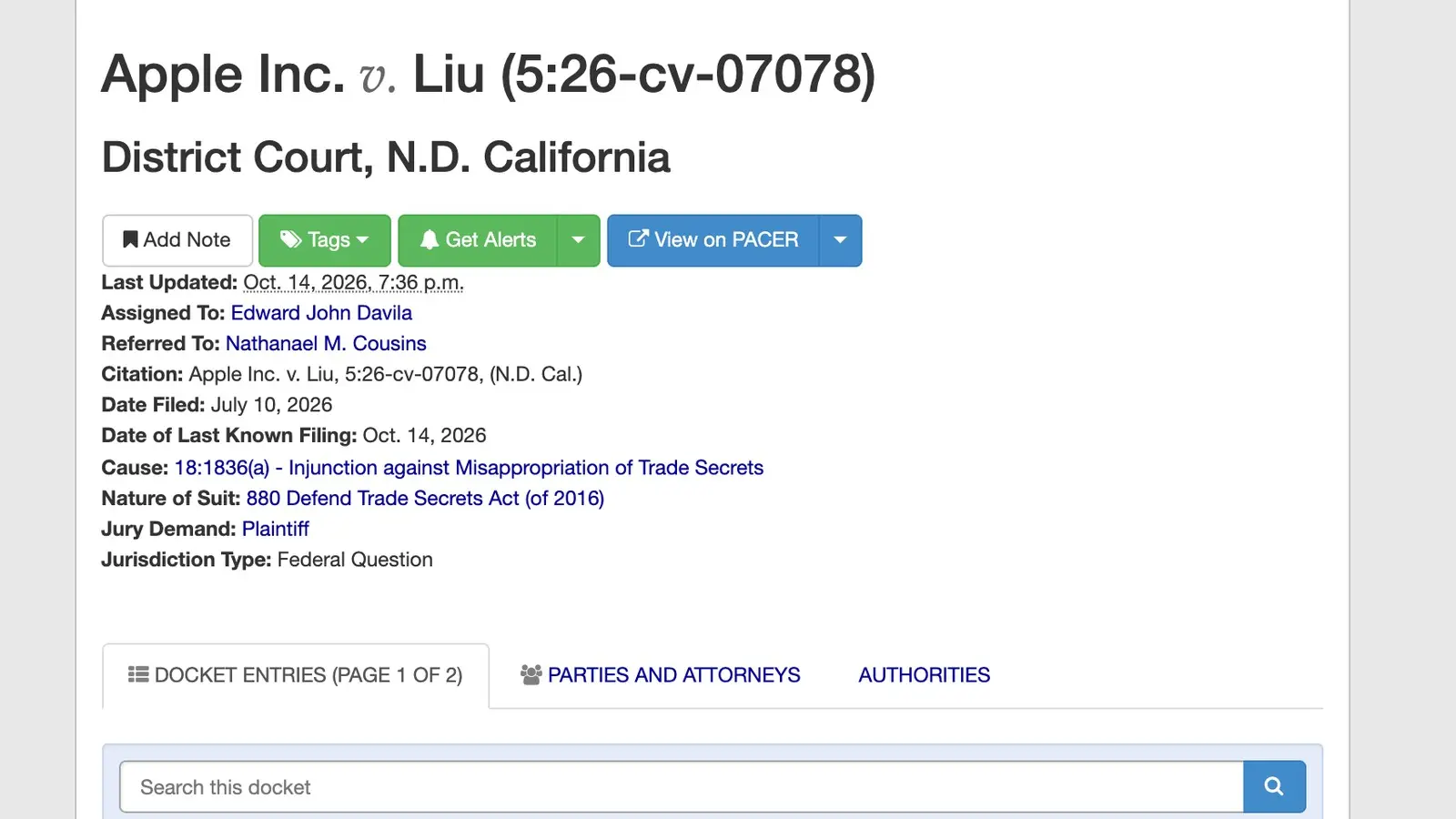
Apple's separate trade-secrets suit names OpenAI among its defendants; the reports on this arrest do not connect the two cases. The charge is unproven, and Alfozan has not been convicted.