Sam Altman, OpenAI's CEO, said in a Cheeky Pint interview that it is "quite terrible" from a global allocation view for everybody to hold "a bunch of the world's limited supply of DRAM" in their own computer. He was answering the idea that local inference, meaning open models running on personal PCs, solves the compute crunch. The episode, "Sam Altman's case for making compute cheap," was uploaded Oct. 29 by Cheeky Pint, Stripe's interview series.
What was said
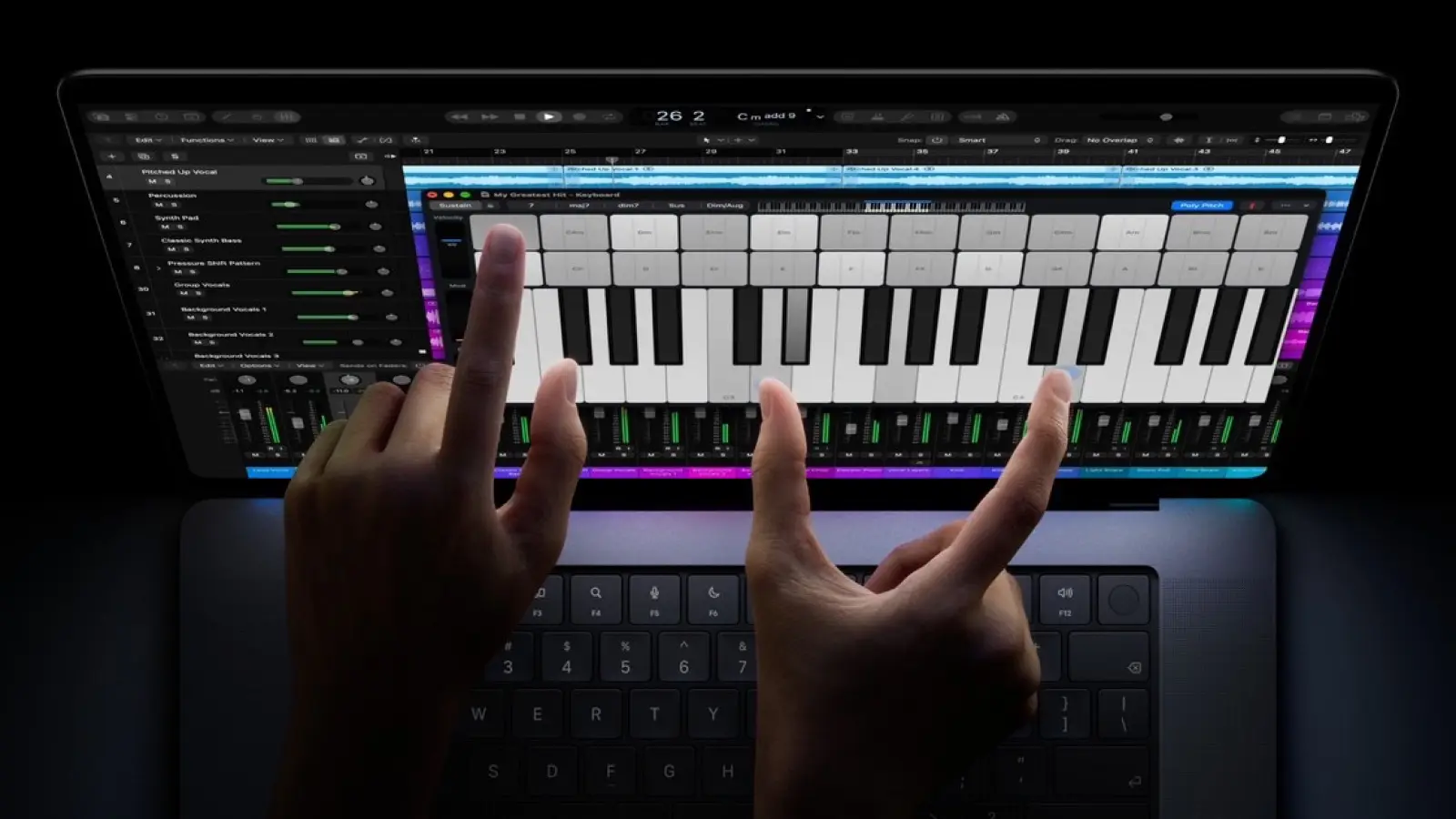
Around the 29-minute mark of the video's auto-generated transcript, Altman describes a common belief: "A lot of people want local inference," and "somehow, they assume that the problem is solved now," because open-source models can run on people's own computers and so "we're not going to need all the stuff in the data center."
His reply, per the transcript: "But from a global allocation perspective, actually, it's quite terrible to have everybody have a bunch of the world's limited supply of DRAM sitting in their own computer." The transcript then continues with a point about the machines being used only a small share of the time, and says you want maximum utilization in the cloud in a supply-constrained environment.
The exchange puts that use at about 5% of the time. The auto-generated transcript does not show cleanly which speaker said the figure, so we are not treating it as a measured statistic from Altman.
What he did not say
He did not say people should stop owning or buying PCs. The point was about where scarce memory is best used when supply is tight: pooled in data centers that run busy, or spread across personal machines that sit mostly idle.
The memory background
Earlier in the interview, at about 27 minutes, Altman discussed high memory and GPU prices. He said DRAM makers used to "invest $20 billion of CapEx to make $19 billion," a way of describing the industry's boom-and-bust history. He also said those makers have been conservative about adding capacity since. We have not checked these against company filings.
Why it matters for PC prices
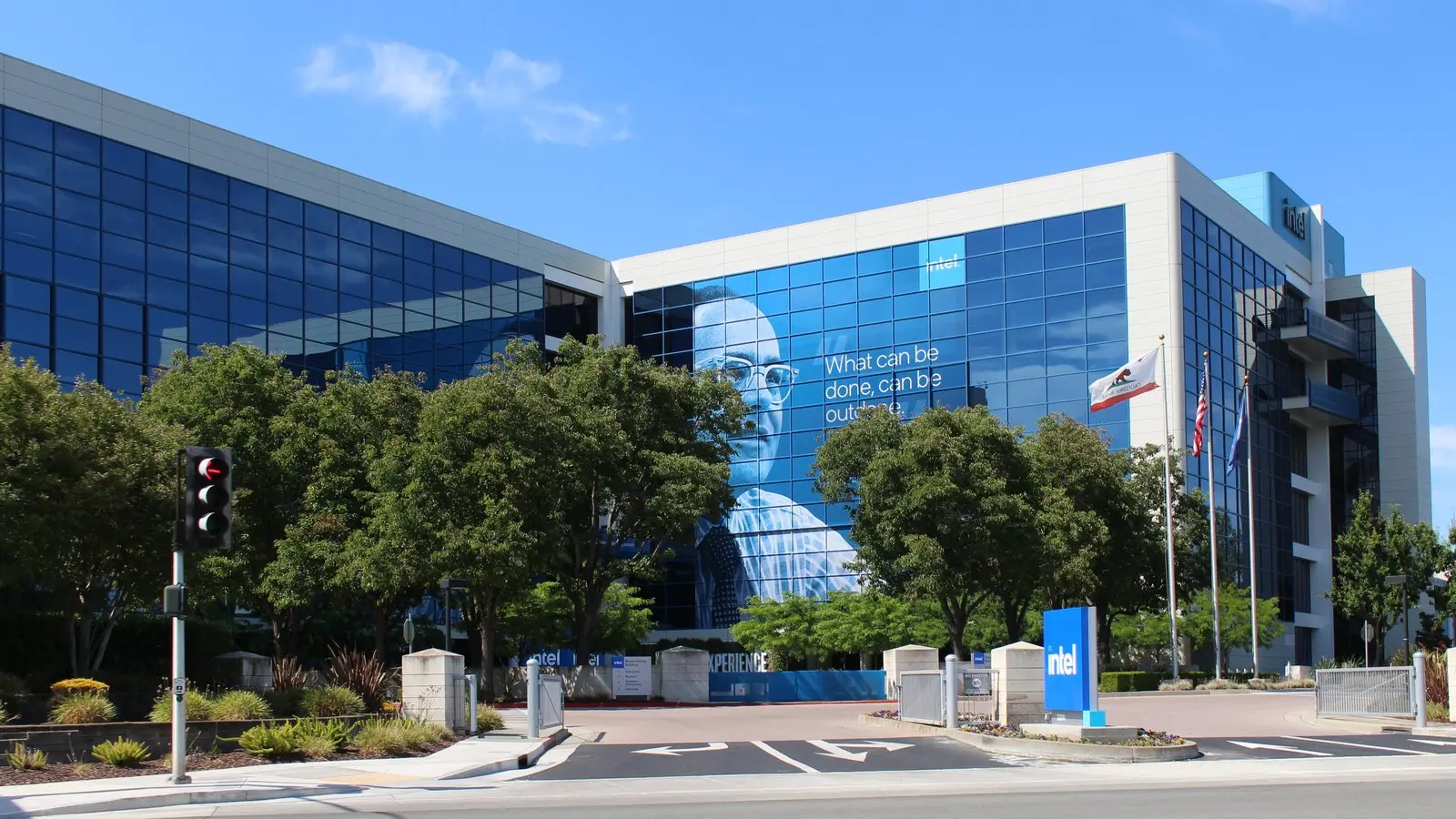
Memory is already a stated pressure point for PCs. IDC's preliminary Q3 data put worldwide PC shipments down 20.1% to 62.7 million units, citing supply constraints and high prices, and IDC said prices will remain elevated. Intel's CEO said customers began signaling a PC slowdown because of memory prices and availability, and its CFO expects it to last at least through the first half of next year; see our Intel earnings story.
Altman's comment fits that picture without adding to it. It is an opinion about allocation, not a price, a shipment forecast or a change in what PC makers will ship.
What this means for you
- Whether any PC maker or memory supplier plans to respond to the local-versus-cloud argument. The interview does not say.
- How much DRAM local AI actually uses on a typical PC. Altman gave no figure.
- Whether memory supply eases in 2027. Neither IDC nor Intel gives a memory price forecast in the sources above.
This story makes no buy-or-wait recommendation. For a specific PC, check its current price and RAM configuration.