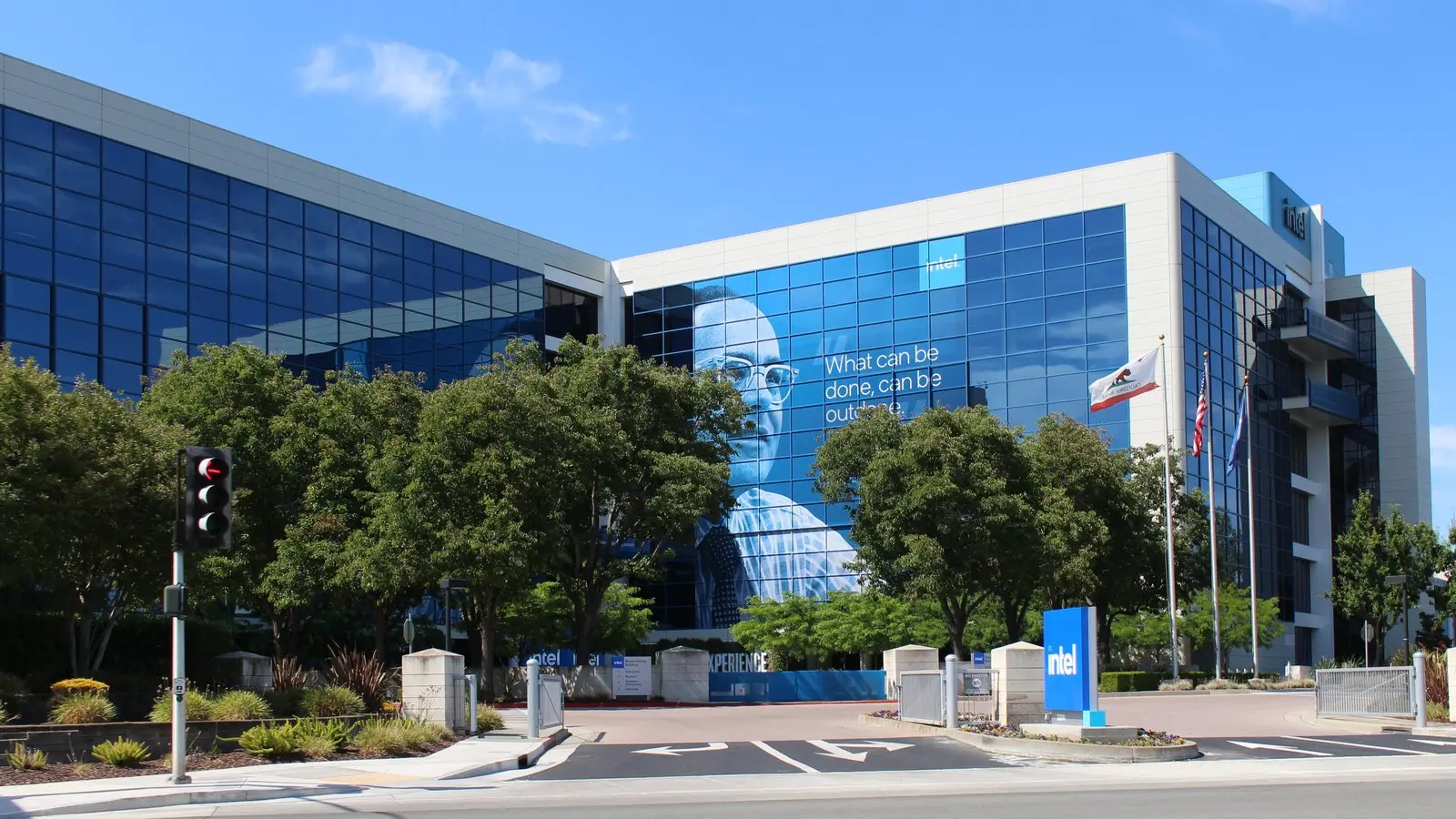
Intel's third-quarter earnings release, filed Oct. 29, says its Client Computing and Physical AI Group, which sells the PC chips, brought in $8.1 billion, down 5% from a year earlier. CFO David Zinsner said, "we see the PC slowdown continuing at least through the first half of next year." TechCrunch reported that the stock fell about 28% the next day.
What the numbers say
- Company total: Q3 revenue was $16.5 billion, up 21%, with non-GAAP earnings of $0.52 a share.
- Q4 guidance: revenue of $15.0 to $16.0 billion, below Q3's $16.5 billion, non-GAAP earnings of $0.25 a share and a non-GAAP gross margin of 38.0% (37.1% on a GAAP basis).
- Data center: $7.3 billion, up 78%.
- Foundry: $6.7 billion, up 58%, with an operating loss of $1,853 million.
Analysts had expected about $17 billion for Q4, and the drop cut about $12 billion from the value of the U.S. government's stake.
What Intel says about PCs and manufacturing
CEO Lip-Bu Tan said, "Despite near-term headwinds across the PC industry, demand for our CPUs remains robust." On the earnings call, he said customers began signaling a PC slowdown because of memory prices and availability. The release lists "industry-wide substrate and memory shortages" among its risk factors.
Intel's stated priority is supply for its Xeon server chips, where it cites "extraordinary demand". On the foundry side, the release notes the Intel 14A 0.9 process design kit, released in October, and a collaboration with ASML on High-NA EUV manufacturing. It does not name any upcoming laptop chip or the 18A process. Capacity is the limit: one Arizona fab is running and the next is not due until 2028.
What this means for you
Treat the following as our read, not Intel's statements.
- Intel's statement: the PC slowdown runs at least through the first half of 2027. That is a forecast, not a price or shipment figure.
- Memory is the pressure point. Intel cites memory prices and availability. Our IDC Q3 shipment story covers IDC's release, which cites supply constraints and high prices, not a lack of interest in Intel chips. How much of that reaches laptop sticker prices depends on each maker.
- Server chips come first. With Xeon demand strong and capacity limited, PC chips are not Intel's stated priority. Intel gives no laptop-specific supply or price guidance.
- Nothing here says to buy or wait. For a specific laptop, check the current price and configuration. With memory tight, how a PC uses its RAM may matter as much as the chip.
Why it matters
Intel is now earning growth from servers and foundry work while its PC business shrinks, and it is telling buyers the slowdown will outlast the holiday season. The trade-off is that capacity pointed at data centers is capacity not pointed at laptops. More on laptops and PCs is in Computing.