Amazon reports a demo peak above 400Mbps from a laptop on a Leo Pro dish at the Army's DEVCOM C5ISR Center in Maryland. Starlink already sells "Up to 400+ Mbps" Residential Max at $130 a month, while Amazon has given no price, ship date or coverage map.
Why it matters
Starlink's US prices on Oct. 14: Residential Max, "Up to 400+ Mbps", from $130 a month. Residential 100Mbps from $55 and Residential 200Mbps from $85, both in select areas only.
Amazon has one demo peak and no price. A Starlink owner or a rural household has nothing to act on yet.
What Amazon confirms
The demo was at Aberdeen Proving Ground, announced Oct. 13, with more than 30 Army representatives attending. A laptop sent and received data "as newly deployed Leo satellites passed overhead", on Amazon's primary customer antenna, Leo Pro.
Amazon gives no average, upload or latency figure. It says it and the Army plan more tests: higher speeds, mobile scenarios and Army tactical networks. It also says it has built more than 1,000 satellites, with nearly 400 in orbit, toward a constellation of thousands.
What a peak does not tell you
A peak speed does not establish typical or median performance. Amazon describes one dish at one site, not a spread of homes, and says the satellites were newly deployed. We do not know how that compares with everyday conditions.
Amazon's own Leo site says its speed figures "are based on limited preliminary testing and are not guaranteed" and vary with weather, congestion and plan.
The three dishes
Specs below are from Amazon's Leo site.
- Leo Nano: up to 100Mbps download, 7 x 7 inches, 2.2 pounds. Portable.
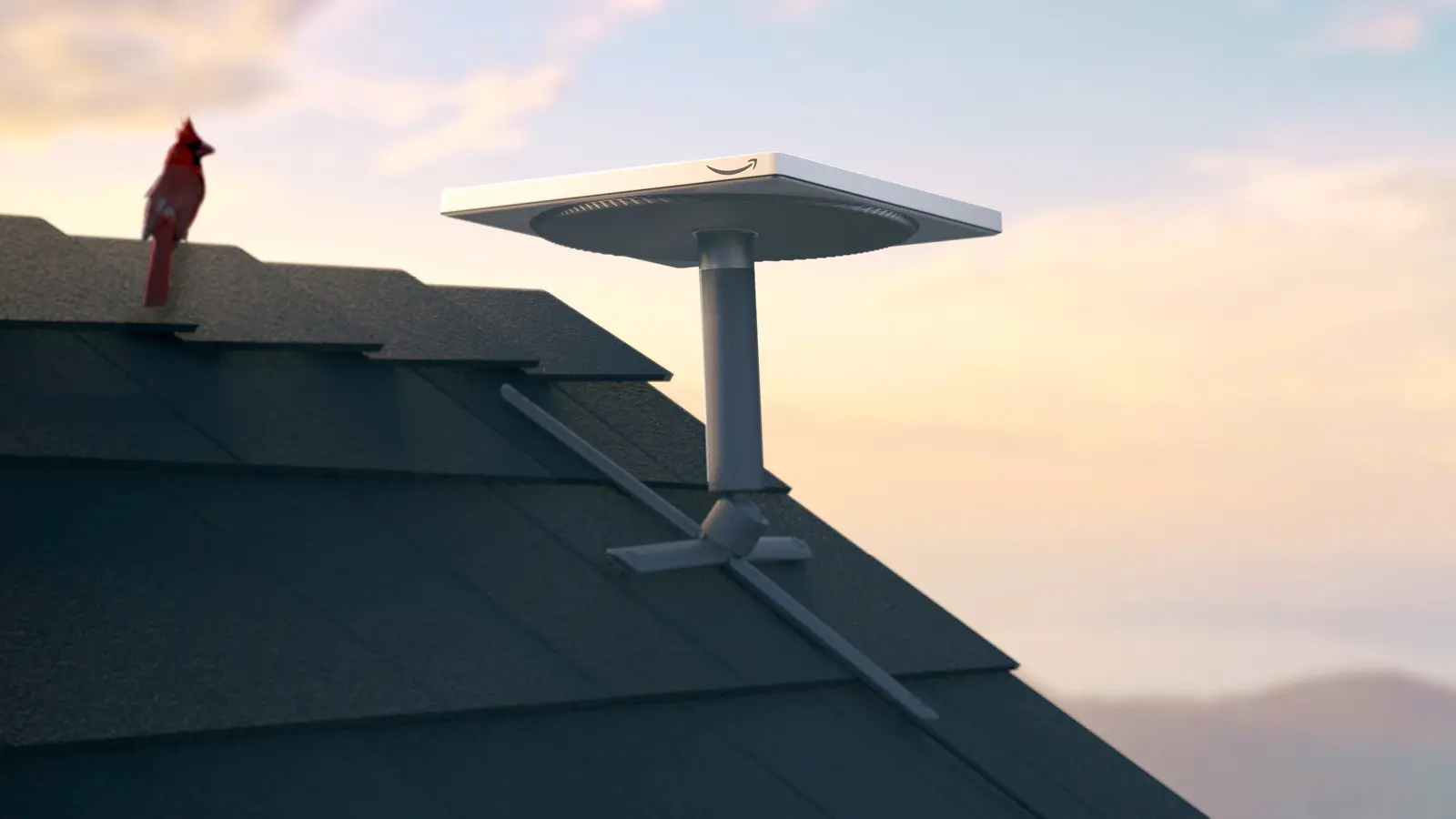
- Leo Pro: up to 400Mbps download, 11 x 11 inches, 5.3 pounds.
- Leo Ultra: up to 1Gbps download and 400Mbps upload. Amazon offers it to enterprise preview customers and calls it the fastest customer terminal in production.

Amazon advertises the Pro at up to 400Mbps and reports a demo peak above that. We found no price for any of the three on Amazon's pages.
What Amazon has not said
Amazon has given no consumer price for any dish or plan, no home-plan details and no wide coverage or address map. It gives no ship date either: its explainer says only that it will roll out service more widely in 2026.
Our call, untested
We have not used Leo. There is nothing to buy. If you have no good broadband, keep your current plan or Starlink.
Leo becomes worth waiting for if Amazon publishes a monthly price and the dish cost for a Leo Pro, or a bundle with Prime. It also needs a coverage map for your address, and independent median speeds and latency rather than a peak.