Intel has signed a definitive agreement to acquire Classiq, a company that makes software for designing quantum programs. Intel's press release, issued Oct. 26, says it expects the deal to close in the first half of 2027. Intel has not disclosed the price.
What Intel says it is buying
Classiq builds quantum software for enterprises. Intel says its platform combines AI agents, a high-level quantum modeling language and design automation. It supports hardware benchmarking, cost and performance optimization, and running across multiple quantum hardware platforms. Intel says dozens of global enterprises use it.
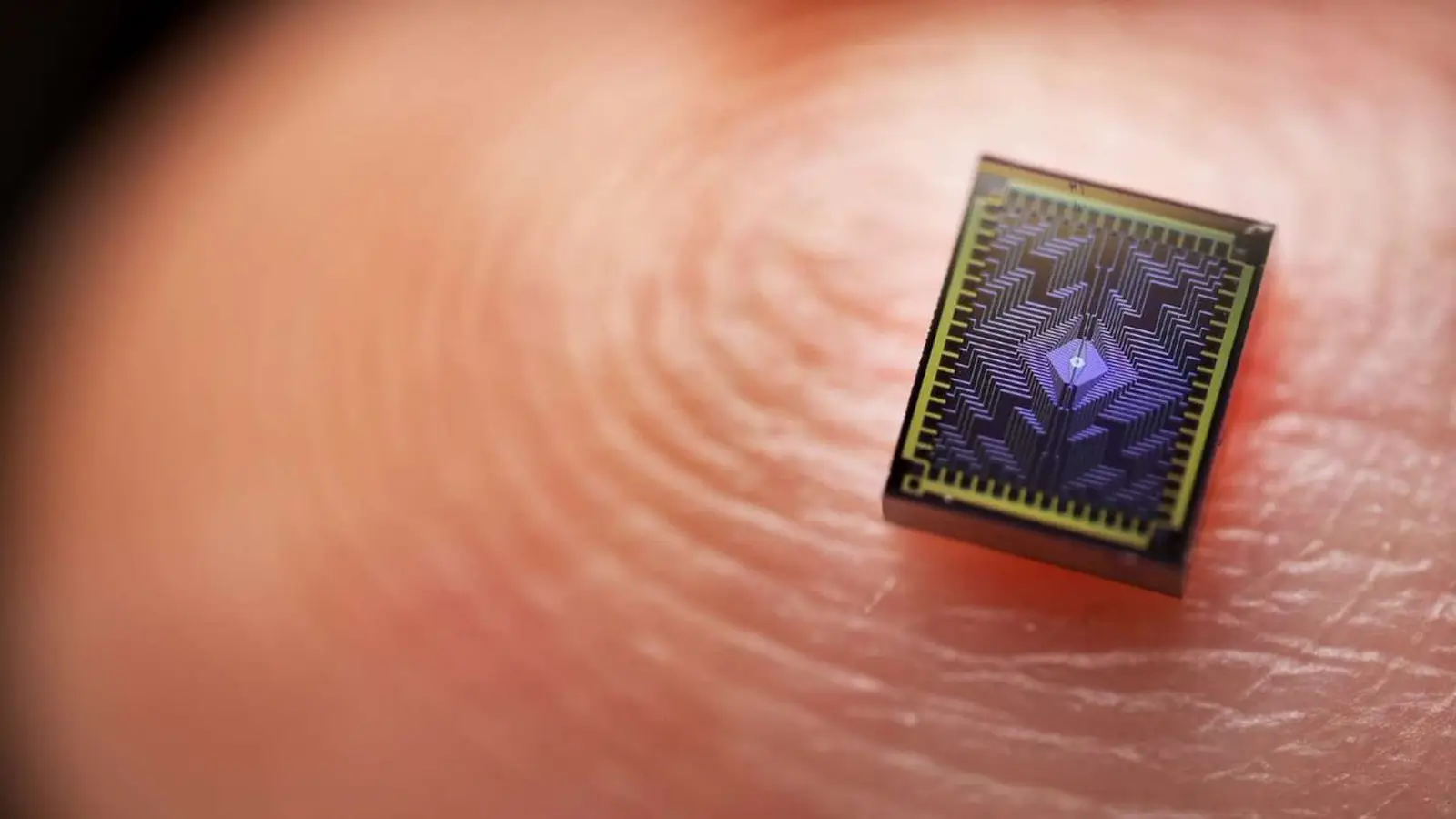
Intel plans to combine its quantum software, silicon spin-qubit technology and chip manufacturing with Classiq's synthesis platform. It also plans to add quantum processing units (QPUs) alongside CPUs, GPUs and ASICs.
Intel CEO Lip-Bu Tan said in the release: "Joining forces with Classiq transforms Intel's Quantum Computing Group into a full-stack quantum computing business."
Classiq co-founder and CEO Nir Minerbi said: "Together, Intel and Classiq can help unlock the benefits of quantum computing and accelerate its adoption sooner."
Deal terms and the reported price
The release gives no financial terms. The deal is subject to regulatory approvals and customary closing conditions. Until it closes, the two companies operate as separate, independent companies.
Israeli outlets Ynet and Calcalist report the value at about $2.3 billion in cash and stock. Intel has not confirmed that figure, so treat it as a report. Ynet's headline calls it a "record deal"; that is Ynet's description, not Intel's.
About Classiq
Bloomberg's report says Classiq is based in Tel Aviv, has raised more than $200 million and has about 130 employees. Ynet puts the headcount at about 150.
What Intel says happens after closing
Intel says it will keep supporting Classiq's integrations with multiple quantum platforms and keep the software independent of qubit type and hardware. Intel also says it has invested in quantum since 2015. It claims to be the only company able to make qubit chips and complex cryogenic control electronics at scale on conventional silicon manufacturing equipment.
The release lists risks: the deal may not close, or may close late; key staff and customers may not be retained; and the timing of quantum adoption is uncertain.
What this means for you
Nothing changes for consumers yet, and the deal has not closed. This is an enterprise software purchase, not a product you can buy. For other recent Intel and AI chip news, see our stories on the Intel GPU D270 and Amazon's TorchNeuron for Trainium.
Intel gives no date for a first combined product.