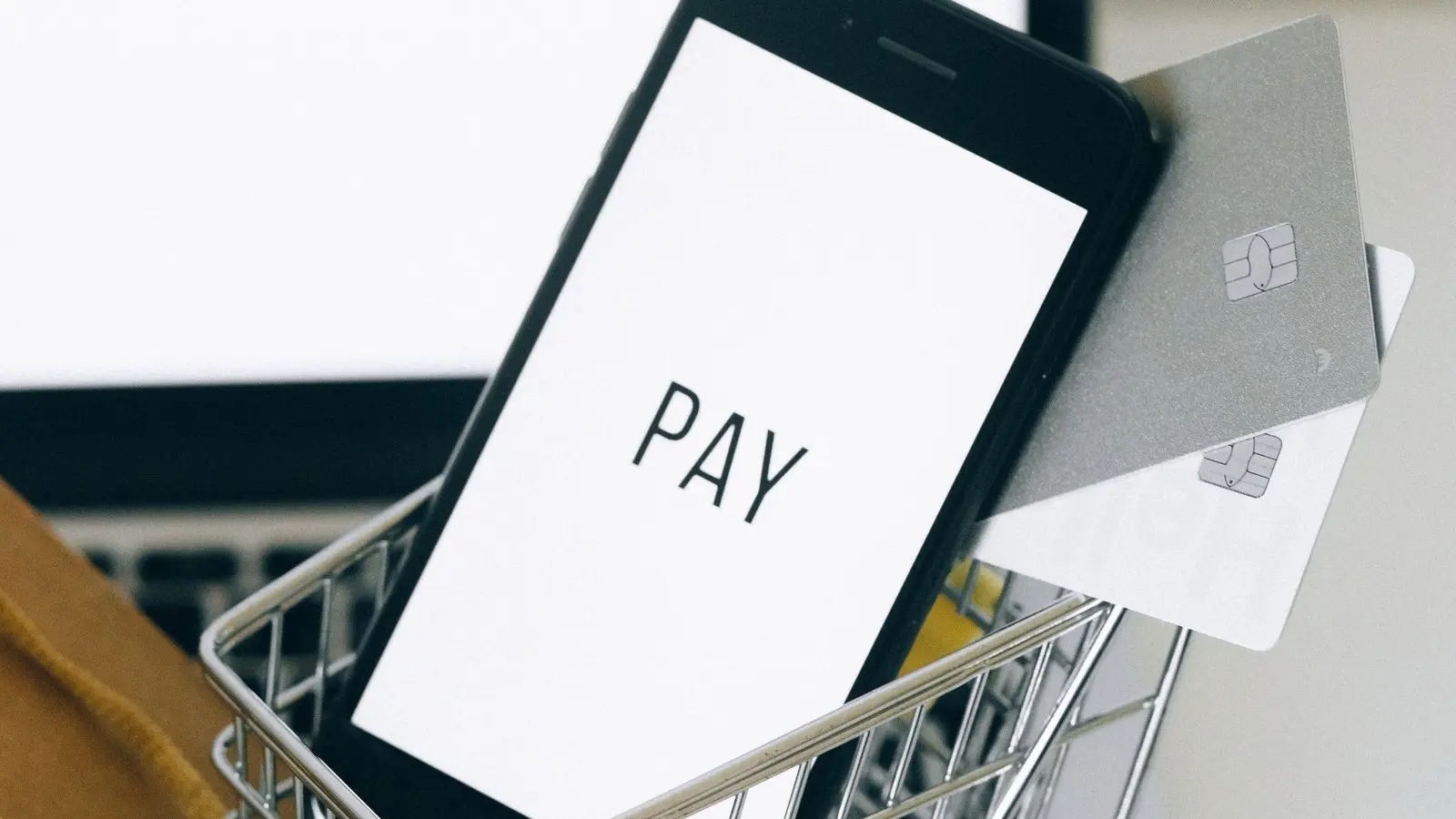
OpenAI announced ChatGPT Wallet on Nov. 13, a way for dots, its agents in ChatGPT, to pay for purchases on your behalf. OpenAI's post says it begins rolling out today, initially to ChatGPT Pro subscribers aged 18 and older in the US with eligible US-issued cards.
What it does
You add a card to Wallet once. When your dot has found something to buy, OpenAI says you review the items, the total and the selected card, then approve with a security check such as Face ID or a fingerprint scan. Each approval creates a record of the purchase you authorized.
After approval, OpenAI says the payment network issues a payment token that stands in for your card number, security code and expiration date. The charge goes to your selected card, and OpenAI says neither the business nor the agent gets your actual card details.
OpenAI also says you keep your card's existing rewards and its protections for eligible disputes, such as a defective item.
Who gets it, and when
- Who: ChatGPT Pro subscribers in the US, aged 18 and older, with eligible US-issued cards. OpenAI calls this limited availability so it can learn from real-world use.
- When: rolling out from Nov. 13, inside dots.
- Cards: OpenAI says Wallet was built with American Express, Mastercard and Visa. American Express's Luke Gebb is quoted calling it the company's first American Express Agentic Commerce Experiences integration. One report says a US-issued Visa, Mastercard or American Express card is required; OpenAI's post says only "eligible" US-issued cards.
Which merchants
OpenAI's post names no specific retailers that accept Wallet. It says the tokens work with existing checkout flows, but that some sites may unintentionally block purchases through Wallet or other agentic payment products, and that risk systems may flag legitimate agent purchases.
OpenAI says it is working with fraud-prevention partners Forter, Riskified, Sardine and Signifyd, and payment providers Adyen, Checkout.com and Stripe. It also published a Commerce Partner Playbook for businesses.
TechCrunch adds that some retailers block AI agents and that Amazon is the largest to ban them, citing Business Insider. That context is not OpenAI's.
What isn't known
OpenAI's post, as we read it, gives no price beyond the Pro plan, no count of users who get access, no merchant list, and we found no date for other plans or countries. It says that over time it expects users to delegate purchases within limits such as spending caps, categories or time periods. That is a plan, not a feature available today.
Why it matters
Wallet is the kind of payment step agents like the one in our report on texting your dot would need, and it sits alongside the shopping listings in our report on Businesses in ChatGPT. Whether it is useful will depend on which stores let the agent through, which OpenAI's post does not yet say.
What we checked
We read OpenAI's announcement and the report linked above on Nov. 13. We did not use Wallet, and we did not contact OpenAI, the card networks or any merchant. Claims about how Wallet works are OpenAI's and are unverified by us.