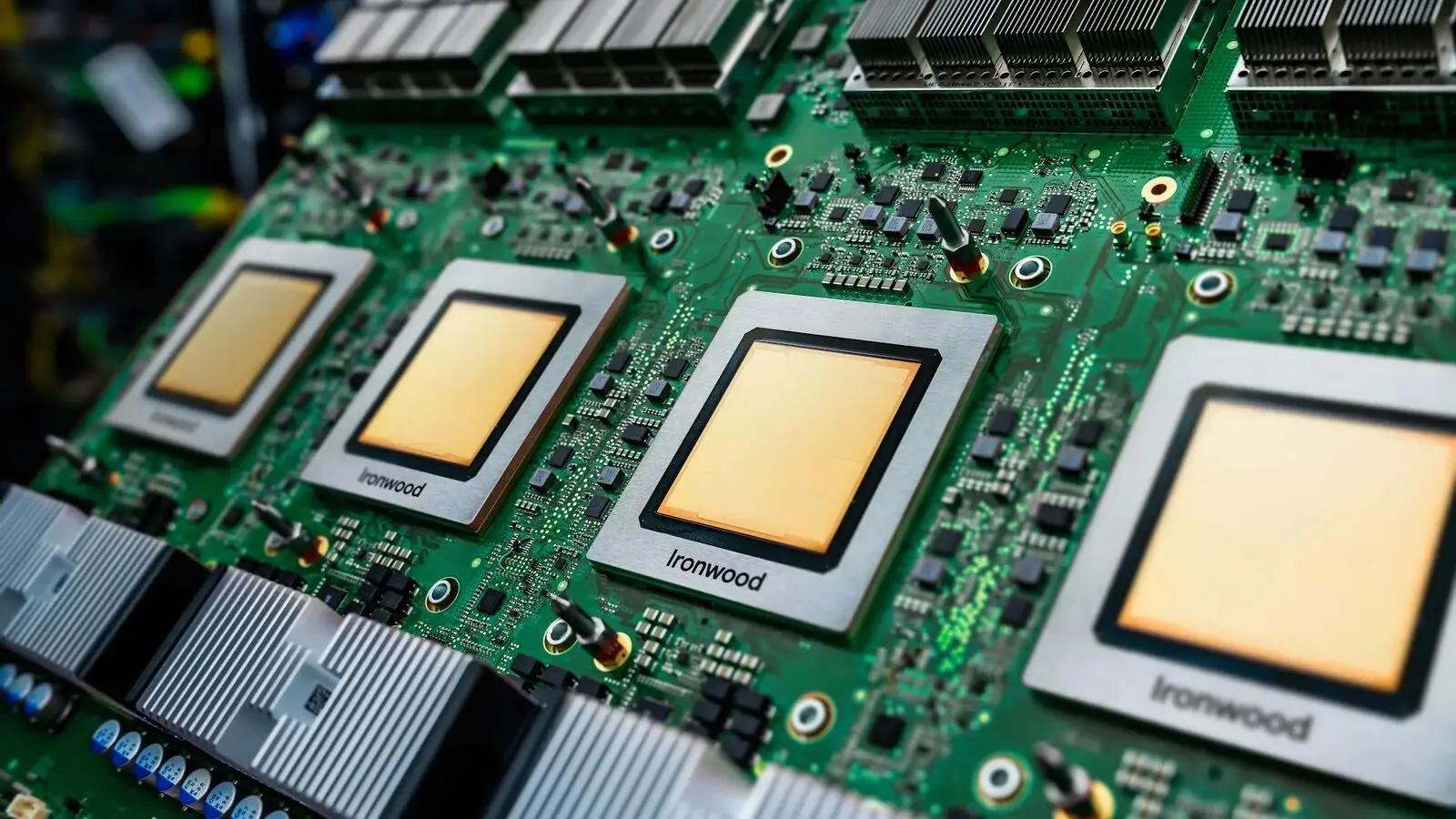
Google says its Project Suncatcher prototype satellite has returned what the company calls the "first-ever AI response" from a data center class TPU in orbit, according to a Google post by Travis Beals dated Oct. 30, 2026. The reply was a haiku.
What Google says happened
Google launched the prototype on Oct. 1. Since then, it says, the team worked through a commissioning checklist that included powering up the host and TPU trays and running early machine learning tests. Google calls the result its "Hello World" milestone.
During a ground-station pass, Google says, it uplinked a first prompt to an onboard Gemma 4 open model, asking for a haiku about being in space. The poem was downlinked as the satellite passed over Svalbard, Norway. Google's post prints it:
Blue marble below
Data streams in silent grace
Starlight feeds my core.
Google says it then tried space-themed limericks and telemetry prompts that report the technical status of the payload systems.
What is still untested
Google says the next tests will look at how the TPUs perform under thermal stress and radiation exposure in orbit. Google says showing the TPUs can run workloads reliably in space would support the next milestone, twin interconnected satellites in 2027.
Google's launch post of Oct. 1 describes the launch as part of the Transporter-18 rideshare mission with SpaceX, with the satellite built in partnership with Planet. At that point it said only that the team had confirmed contact and the satellite was operating as expected.
Power and run time
TechCrunch reports the satellite generates up to 1 kW of electricity and carries four TPUs, but can run only one at a time, for about 20 minutes. A spokesperson told it the satellite is operating nominally. Google's post gives none of these figures.
Why it matters
This is a single prototype answering a few test prompts. The haiku and status reports show a Gemma 4 model ran on the satellite's TPU and the radio link worked. They do not show how the chips hold up over time, what orbital computing would cost, or whether it can scale.
What we checked and could not confirm
- Google's post gives no power, TPU count or run-time figures. The 1 kW and 20-minute numbers come from that report and we could not check them against a Google document.
- Neither source says how long the prompt and reply took, or how many prompts have been run.
- We found no Planet statement about this milestone.
Related
For another satellite test, see Amazon Leo's 400Mbps Army demo. For another AI compute story, see SpaceX lining up a $40B GPU lease from Apollo. More is in AI & Apps.