OpenAI has stopped pressing for strict US limits on chip exports to China, according to Politico, which cites Capitol Hill aides and lobbyists. All of those sources are anonymous, and OpenAI has not confirmed the shift.
What the report says
- The claim: the people say OpenAI argued for strict export limits through much of 2025 and no longer does.
- OpenAI's response: the company said US labs keeping a substantial lead in advanced chips is key, and that effective export controls are "one part of that broader strategy." It did not address its meetings with lawmakers.
- Nvidia: declined to comment.
What OpenAI's own documents say
Both documents are OpenAI's, and the change in wording is visible.
- March 2025: OpenAI's response to the White House's AI Action Plan request says Tier III countries, including the PRC, "should continue to be subject to strict export controls" of AI systems, including existing controls on advanced chips.
- June 2026: OpenAI's federal framework blueprint says policymakers "should strengthen export controls, close known loopholes," and invest in compute and energy.
The blueprint still backs export controls. It drops the word "strict." Whether that amounts to a retreat is the open question.
What is at stake
China hawks want chip restrictions added to the National Defense Authorization Act (NDAA) in the post-election lame-duck session, according to the report. The report says Anthropic backs several of those bills and left a tech trade group in September over the group's push to reshape them.
The Nvidia tie
Nvidia finalized a $30 billion equity investment in OpenAI in February, the report says. It adds that under an August deal Nvidia is the exclusive chip supplier for an Ohio data center OpenAI will lease, guaranteeing up to $105 billion for phase one. The report does not say the ties changed OpenAI's position, and we have no evidence they did.
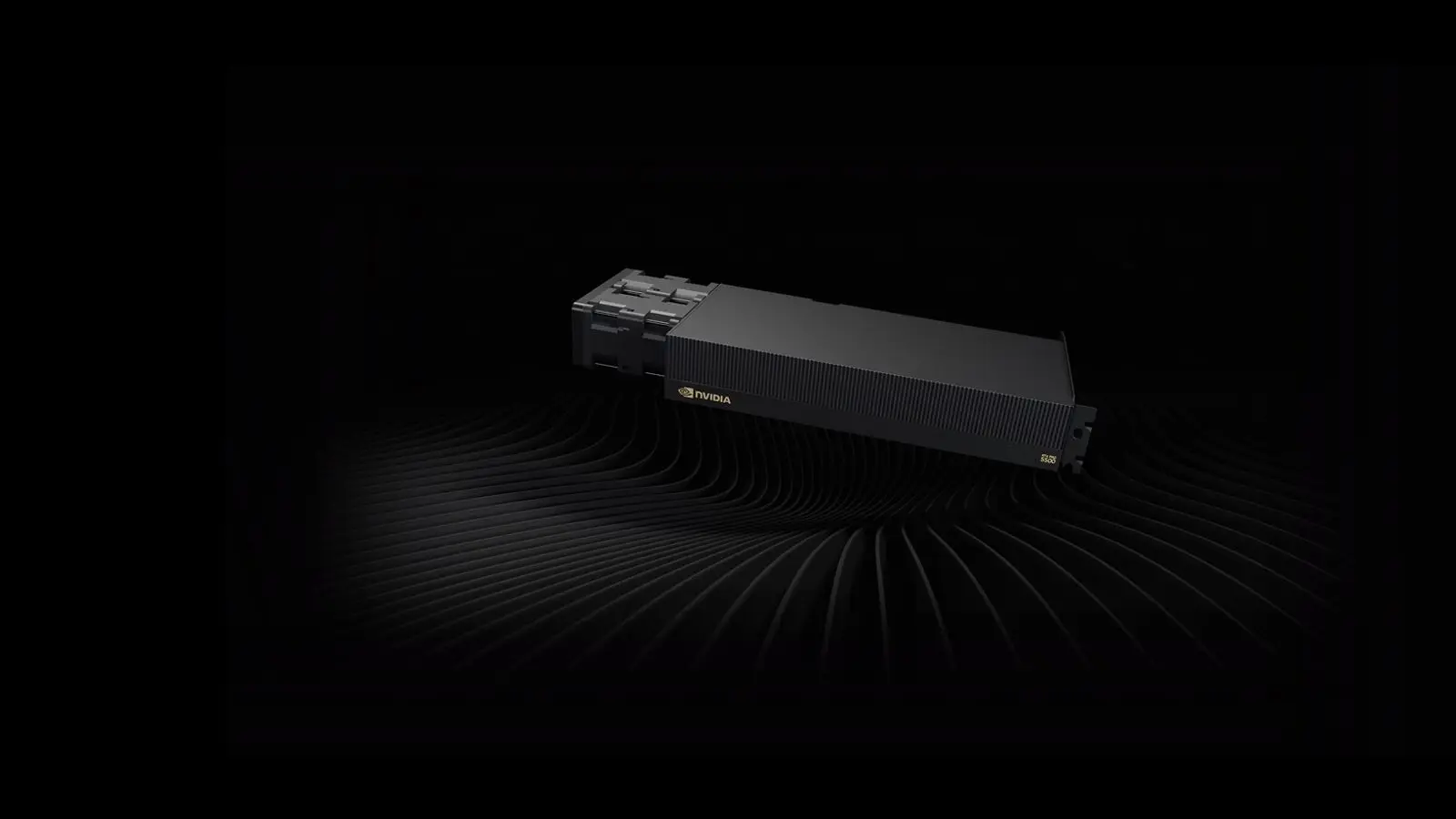
The chip question is live elsewhere. Chinese firms were reported to have bought over 1 million Nvidia GPUs in a year, and Chinese tech giants reportedly ordered 3 million or more RTX PRO 5500 cards. Both reports are unconfirmed.
What to watch
- Whether OpenAI states a position on specific NDAA chip provisions.
- Whether any named official or lobbyist confirms the shift.
- Which chip bills move in the lame-duck session.