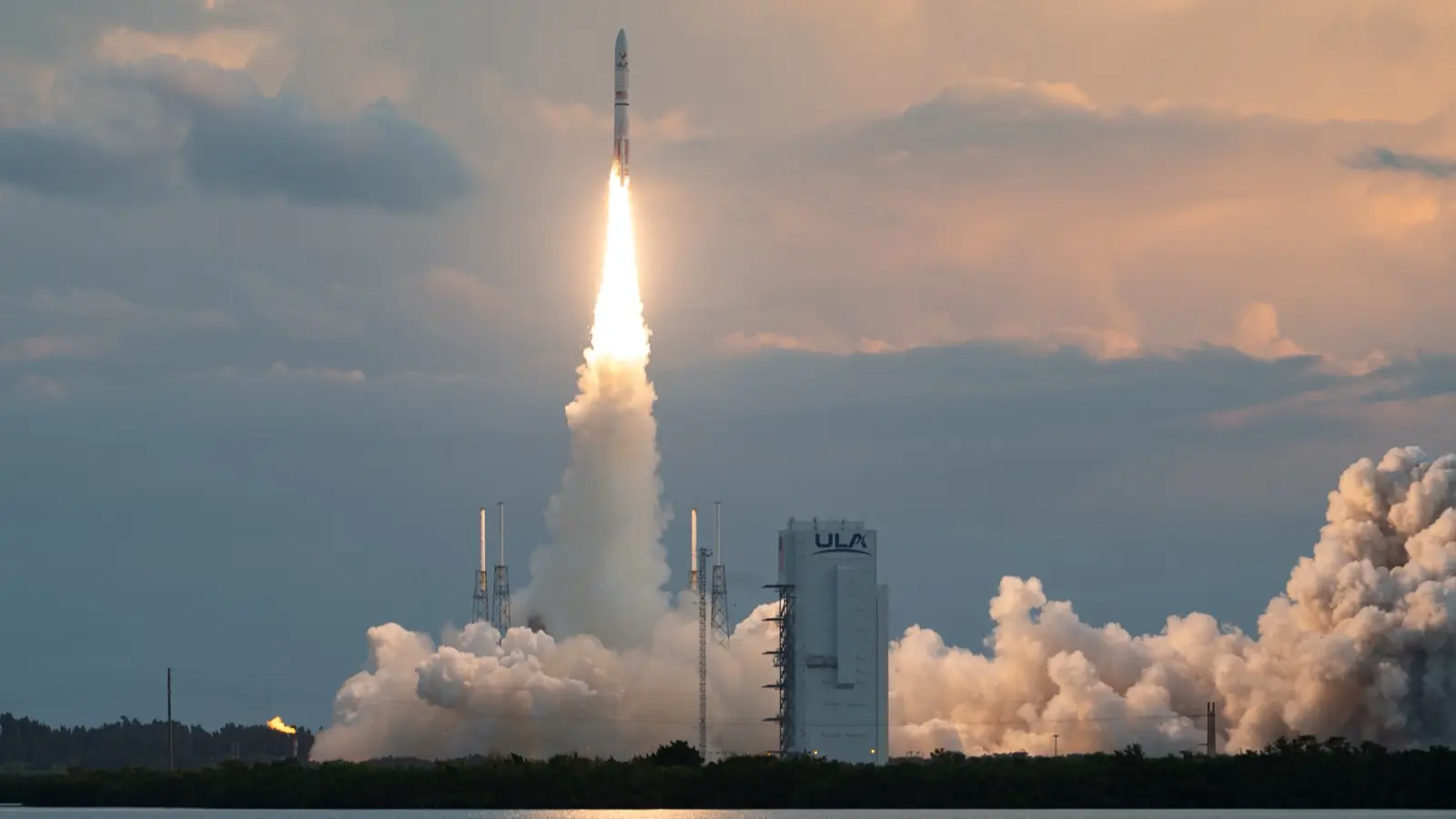
United Launch Alliance (ULA) said its Vulcan rocket suffered an anomaly 10 minutes into flight on Nov. 15 and "failed to deliver the Amazon mission to orbit." The rocket carried 40 Amazon Leo broadband satellites, according to ULA's liftoff post. ULA's anomaly statement followed at 1:30 p.m. ET.
What happened
ULA posted at 12:46 p.m. ET that the first Vulcan Amazon Leo mission had lifted off, "carrying 40 broadband satellites to low Earth orbit." The rocket launched from Space Launch Complex 41 at Cape Canaveral, Florida.
At 1:30 p.m. ET, ULA said its Launch Director's data confirmed the anomaly. It added: "Since the anomaly just occurred, we don't have any specific data yet to understand what occurred today."
ULA said it will work with its customer and other organizations "to find the cause, determine the appropriate corrective action, and return to flight as quickly as possible." It said it will post more when it has new information.
What Amazon said
Amazon Leo posted at about 2:11 p.m. ET: "There is risk with any launch, and that's especially true for inaugural missions like LV-01. ULA has been a trusted partner for Amazon, and we believe they'll learn from this mission and deliver on their long-term plans for Vulcan."
Amazon said on Nov. 9 that LV-01 was the first launch on Vulcan and the first of 38 missions with ULA. ULA's mission page gives the same count.
What we do not know
- The cause. ULA said it has no specific data yet.
- The state of the 40 satellites. ULA said only that the mission was not delivered to orbit.
- Whether anyone was hurt. Neither ULA nor Amazon mentioned injuries.
- Whether Vulcan is grounded, and when it will fly again. ULA gave no date.
- Any change to Amazon's launch plans or Leo service. Amazon gave none.
Why it matters
This was the first launch of Amazon Leo's satellites on Vulcan, and Amazon described it as one of 38 planned with ULA. So the result of the investigation matters to Amazon's launch plans, but neither company has said how.
For Amazon Leo's current consumer status, which has not changed on anything we can confirm, see our earlier story on its 400Mbps Army test.
What we checked
We read both companies' posts and ULA's mission page on Nov. 15. We have not seen telemetry, video or a statement from any regulator. For another satellite effort, see Google's Suncatcher prototype.